
Why choose barefoot shoes?
What if your shoes were preventing your feet from moving naturally? Discover why barefoot shoes can transform your comfort, posture, and the way you walk.
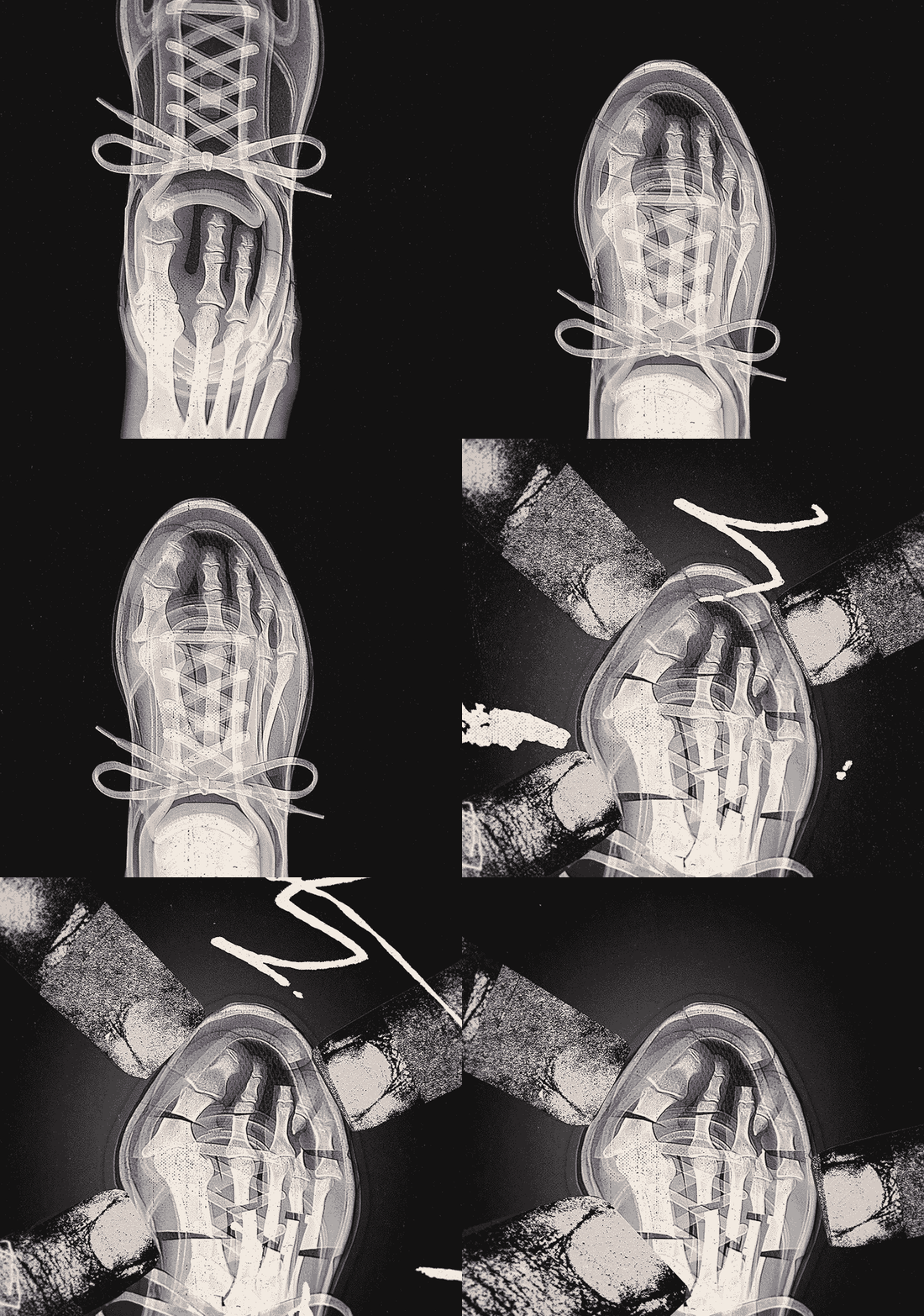
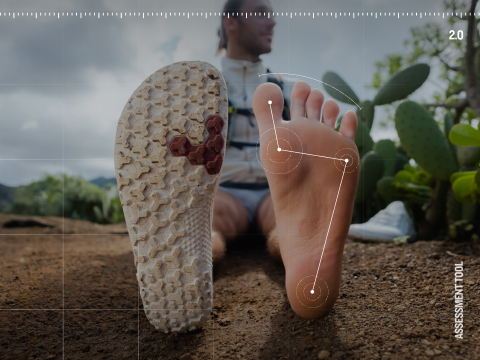
Your feet are made to move
For years, traditional shoes have often prioritized thick soles, narrow shapes, and rigid structures. As a result, feet are sometimes compressed, underused, and less free to move naturally.
Barefoot shoes, also known as minimalist shoes, offer a different approach: they are designed to respect the natural shape of the foot while still providing everyday protection.
The goal is not to walk barefoot everywhere, but to allow your feet to regain more freedom, mobility, and natural sensation.
Traditional shoes vs barefoot shoes
This difference may seem simple, but it can change the way you walk, stand, and feel your connection with the ground.
To go further, you can also read our article about the evolution of the human foot and barefoot shoes .
.png)
The 3 essential elements of barefoot shoes

Wide toe box
Your toes have more room to spread naturally instead of being compressed forward.

Zero drop
The heel and forefoot stay at the same level, encouraging a more natural and balanced posture.

Flexibility
A flexible sole allows the foot to bend, adapt to the ground, and actively participate in movement.
What are the possible benefits?
Wearing barefoot shoes can help you rediscover a more natural way of walking. Many people appreciate them for the feeling of freedom, stability, and everyday comfort.
- More comfort: toes are no longer compressed into a narrow shape.
- Better stability: the foot can feel the ground and support points more clearly.
- More mobility: the foot can move more freely instead of being locked in place.
- Progressive strengthening: the muscles of the feet, ankles, and legs may be more actively used.
- A more natural feeling: walking often feels smoother, lighter, and more conscious.
Important: barefoot shoes are not orthopedic shoes and do not replace medical advice. They simply encourage a more natural movement of the foot. If you have a medical condition or significant pain, ask a healthcare professional for advice.
How to transition to barefoot shoes
If you have worn traditional shoes your whole life, your feet may need time to adapt. The transition to barefoot shoes should therefore be gradual.
- Start with a few hours per day.
- Alternate with your usual shoes at the beginning.
- Listen to your body, especially your calves and feet.
- Gradually increase the time you wear them.
- Choose a comfortable model adapted to your daily use.
For sport, stability, or functional training, you can also read our article about the impact of shoes on training stability .

Who are barefoot shoes for?
Barefoot shoes can be suitable for many people: adults, children, athletes, walkers, people looking for more everyday comfort, or anyone curious about a more natural feeling underfoot.
Everyday use
For walking, working, travelling, or simply enjoying a more natural comfort throughout the day.
For children
To give growing feet more space and encourage natural movement.
For sport
To improve sensation, stability, and grounding during certain types of training.
Our selections to get started
At LetzBarefoot, we select brands known for their quality, comfort, and respect for the natural movement of the foot.
Learn more
Frequently asked questions
Are barefoot shoes comfortable?
Yes, many people find them very comfortable because of the extra room at the front of the foot and the freedom of movement. The feeling may be different at first.
Do I need an adaptation period?
Yes. Your feet and calves may work more than usual. It is best to transition gradually.
Can barefoot shoes be worn every day?
Yes, after a suitable transition. Many people wear them daily for walking, working, or travelling.
Are barefoot shoes suitable for children?
Yes, they are often appreciated because they give growing feet more space, as long as the right size is chosen.
|